CHC at Sprogteknologisk Konference 2025
Danish language technology at the centre of national interest
On 14 November, CHC participated in this year’s Sprogteknologisk Konference at the University of Copenhagen - a key meeting point for researchers, developers, and practitioners working with language technology in a Danish context. The conference took its point of departure in the government’s strategic initiatives for artificial intelligence, including ambitions for a secure and transparent platform for Danish language models and improved accessibility of Danish text data. This year’s theme centred on how we, collectively, can ensure that AI solutions are firmly rooted in the Danish language and in Danish society.
National political attention
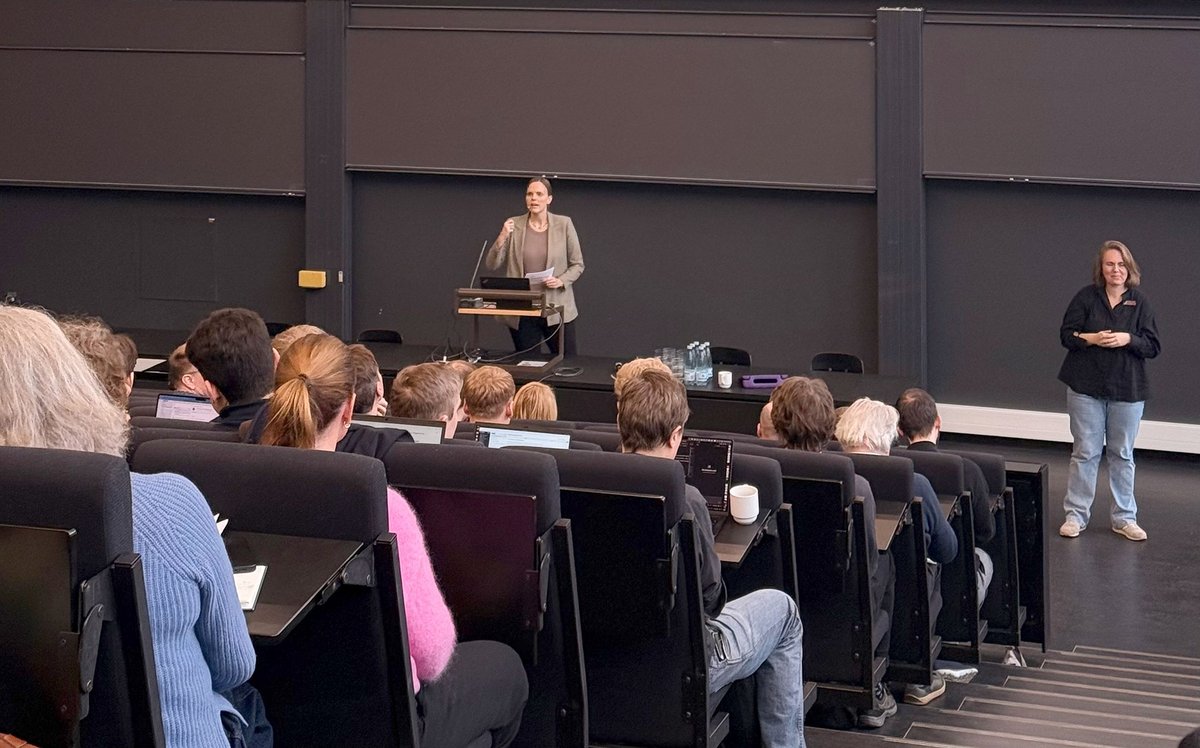
The conference was opened by the Minister for Digital Affairs, Caroline Stage Olsen, who expressed particular interest in Danish Foundation Models (DFM) and Dynaword - CHC projects that support the development of Danish language technology and ensure that Danish data and Danish values become part of future AI solutions.
The political attention underscores CHC’s growing role as a central actor in the development of Danish language technology. The centre’s work is not only of academic significance but also plays an important part in shaping the national strategic direction for responsible, Danish-anchored AI.
CHC’s academic contribution
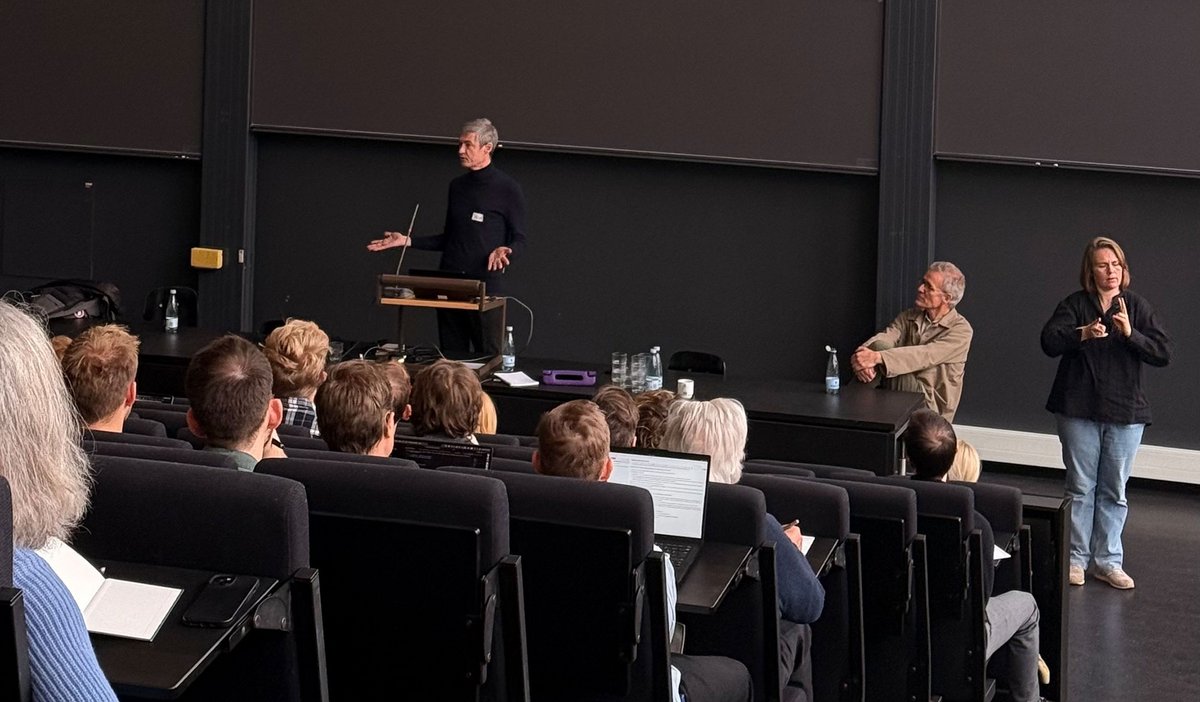
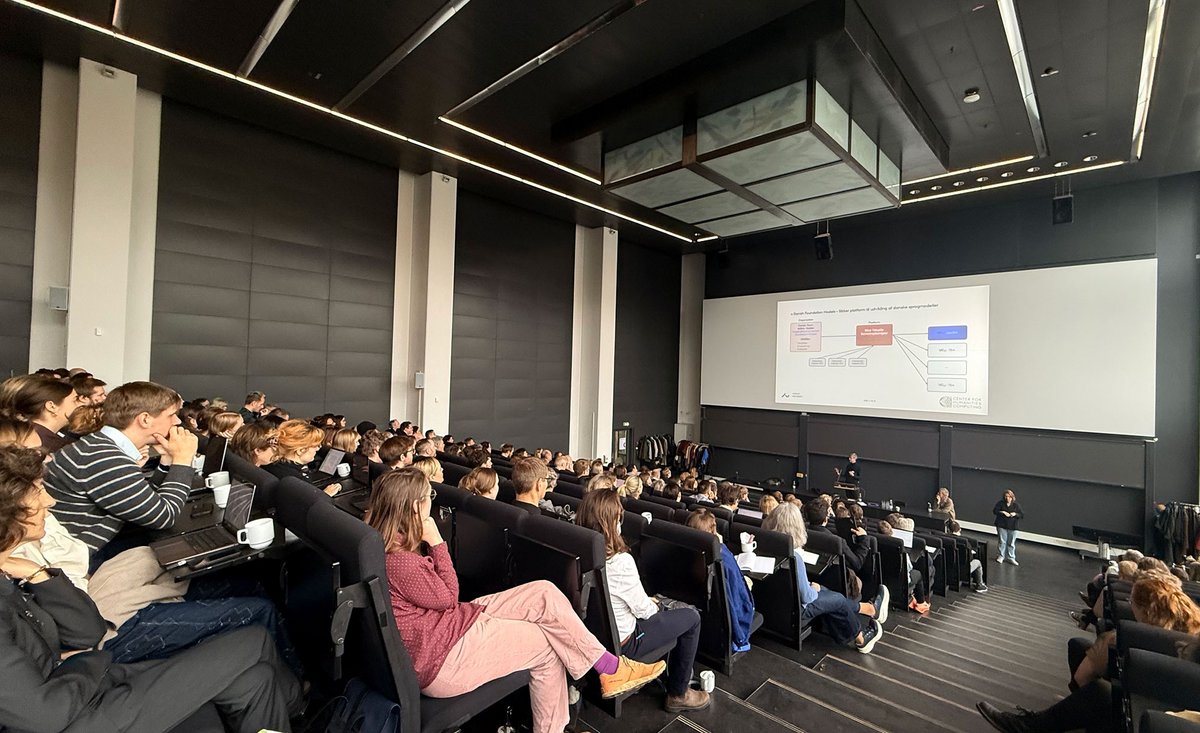
CHC was strongly represented at the conference, contributing through research dissemination, dialogue, and clear results from the centre’s ongoing projects. A central highlight was the presentation by Centre Director Kristoffer Nielbo of the application-oriented research and development project Lex.llm, which CHC is developing in close collaboration with lex.dk - Danish National Encyclopedia, represented by Head of Secretariat Ole Kaag Mølgaard.
The Lex.llm project addresses the challenge that large language models often misalign with local facts and cultural norms. For Lex.llm, the output must always rely on the content of the collections that make up the complete Danish National Encyclopedia. To meet this need, the project develops specialised Danish language models, applies advanced alignment techniques, and uses a participatory process involving both editors and users. The goal is to create AI solutions that are more factual, culturally informed, and historically accurate — and therefore better suited to Danish conditions.
In their presentation, Kristoffer Nielbo and Ole Kaag Mølgaard demonstrated how the combination of CHC’s research expertise and lex.dk’s curated knowledge base creates a unique foundation for technological solutions that strengthen Denmark’s national knowledge infrastructure and offer responsible alternatives to the general-purpose AI models of Big Tech.
Knowledge, networking, and new collaborations
The conference also provided an important opportunity to present research findings within a Danish professional forum. Through poster sessions, presentations, and conversations across universities, public authorities, and private companies, CHC’s researchers had the opportunity to share their own experiences and draw inspiration from the projects of others - ranging from speech-to-text models and multilingual training methods to new perspectives on cultural diversity in language models, data security, and digital sovereignty.
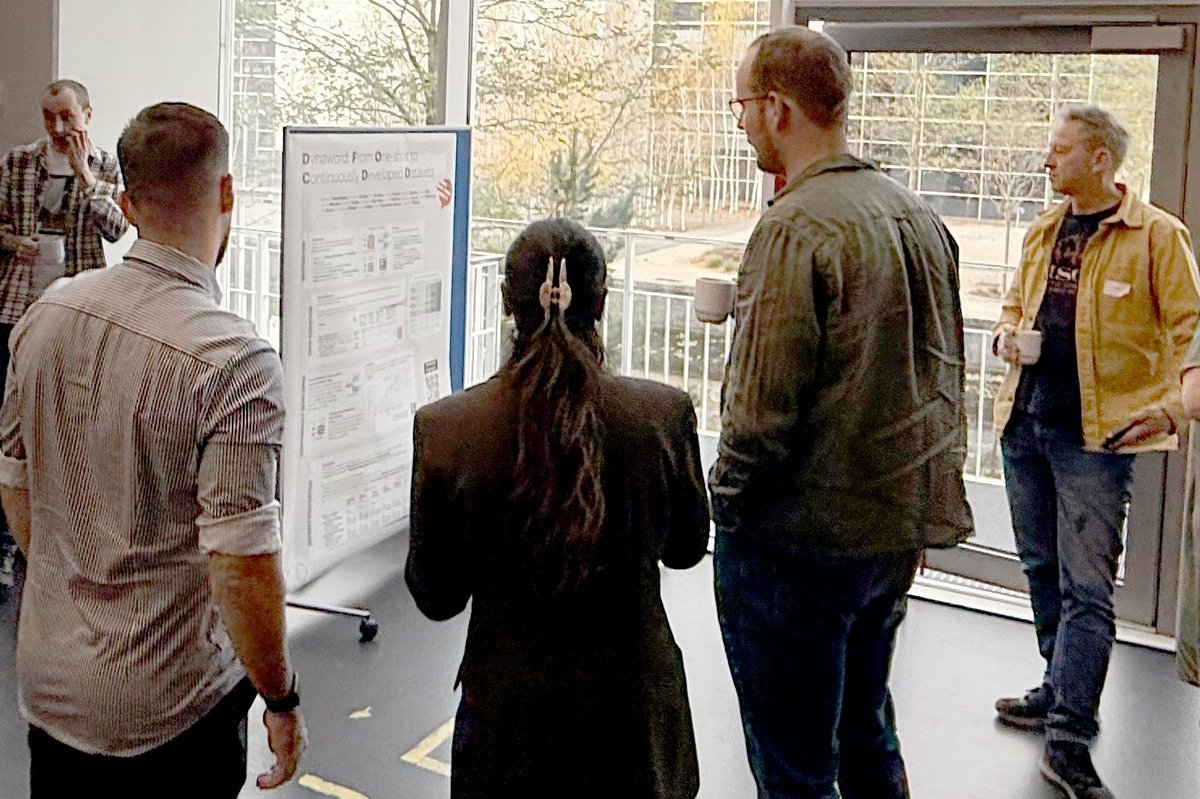
Among other contributions, Dynaword - part of the Danish Foundation Models (DFM) initiative - was presented in the poster session, where it attracted considerable interest from researchers, authorities, and professionals working on the development of Danish language technology.
This exchange of knowledge and open dialogue is crucial for fostering new collaborations and future project opportunities. CHC’s participation in the conference thus strengthens both our academic communities and our strategic efforts to advance Danish language technology.
The project Lex.llm is a three-year project supported with DKK 16 million by the Aage and Johanne Louis-Hansen Foundation and the Augustinus Foundation.
Danish Foundation Models (DFM) is a three-year project supported by the Ministry of Digital Affairs with DKK 30,700,000