CHC contributes to groundbreaking mapping of the Roman road network
A new digital dataset and map, Itiner-e published in Nature’s journal Scientific Data, reconstructs the road network of the Roman Empire with unprecedented detail and precision covering an area of almost four million square kilometers and mapping over 14,000 road segments that once connected more than 55 million people across three continents.

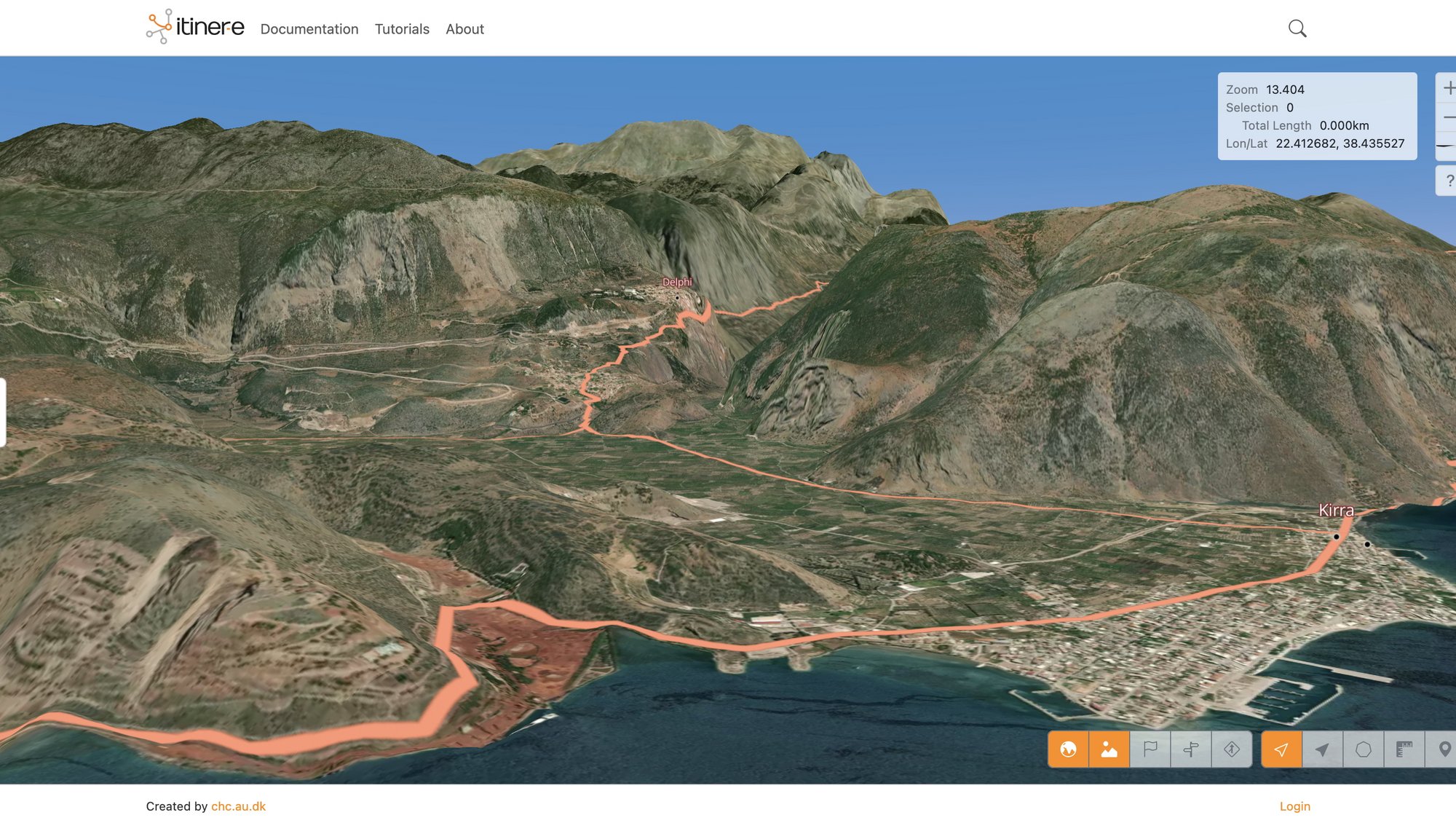
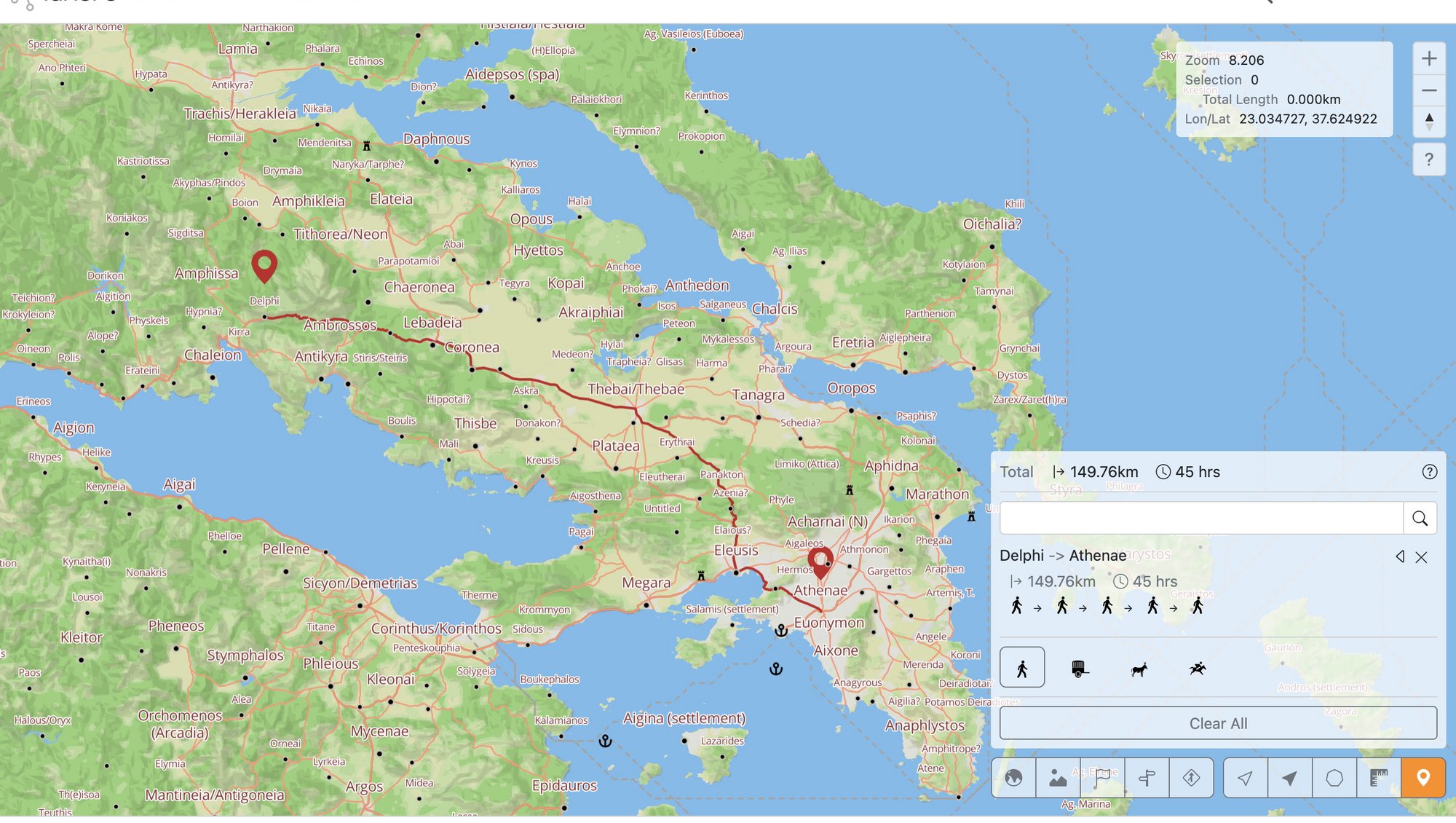
As part of the project, Center for Humanities Computing (CHC) has developed the digital platform: itiner-e.org that enables users to explore the Itiner-e dataset interactively.
itiner-e.org allows both researchers and the public to engage directly with the reconstructed road network through:
- An interactive map offering detailed descriptions of every road segment.
- A path-finding tool that lets users navigate the Roman road system much like a modern GPS.
- Editable road segments, enabling researchers to contribute new data and refine existing routes collaboratively.
“Building this platform has been an exciting and rewarding challenge. We needed to strike a delicate balance between performance, granularity, and flexibility. The final product not only met but ultimately exceeded the initial specifications – a result made possible through close and continuous collaboration between researchers and developers,” says Peter Vahlstrup, developer at CHC.
The online map can be seen at https://itiner-e.org
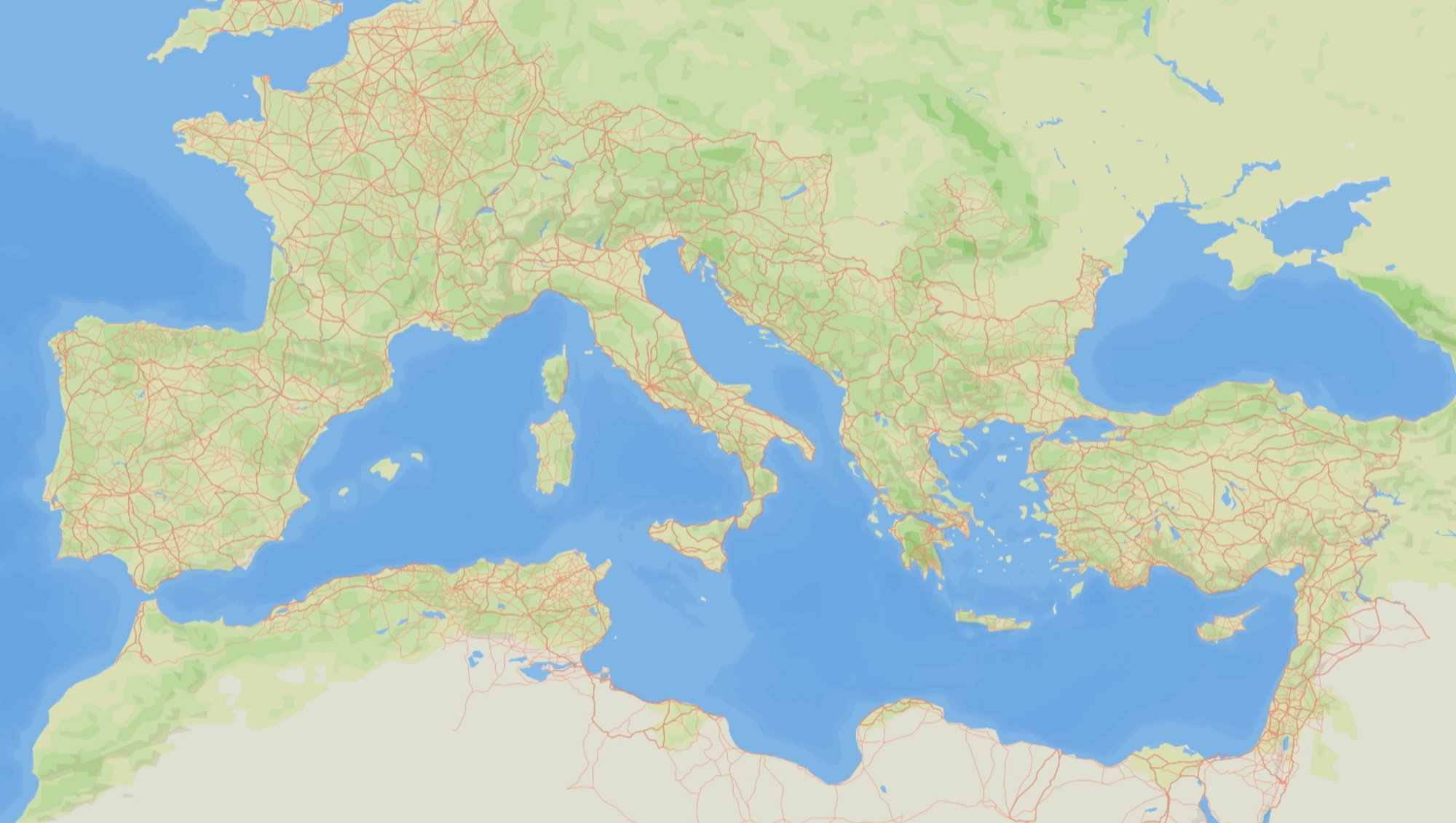
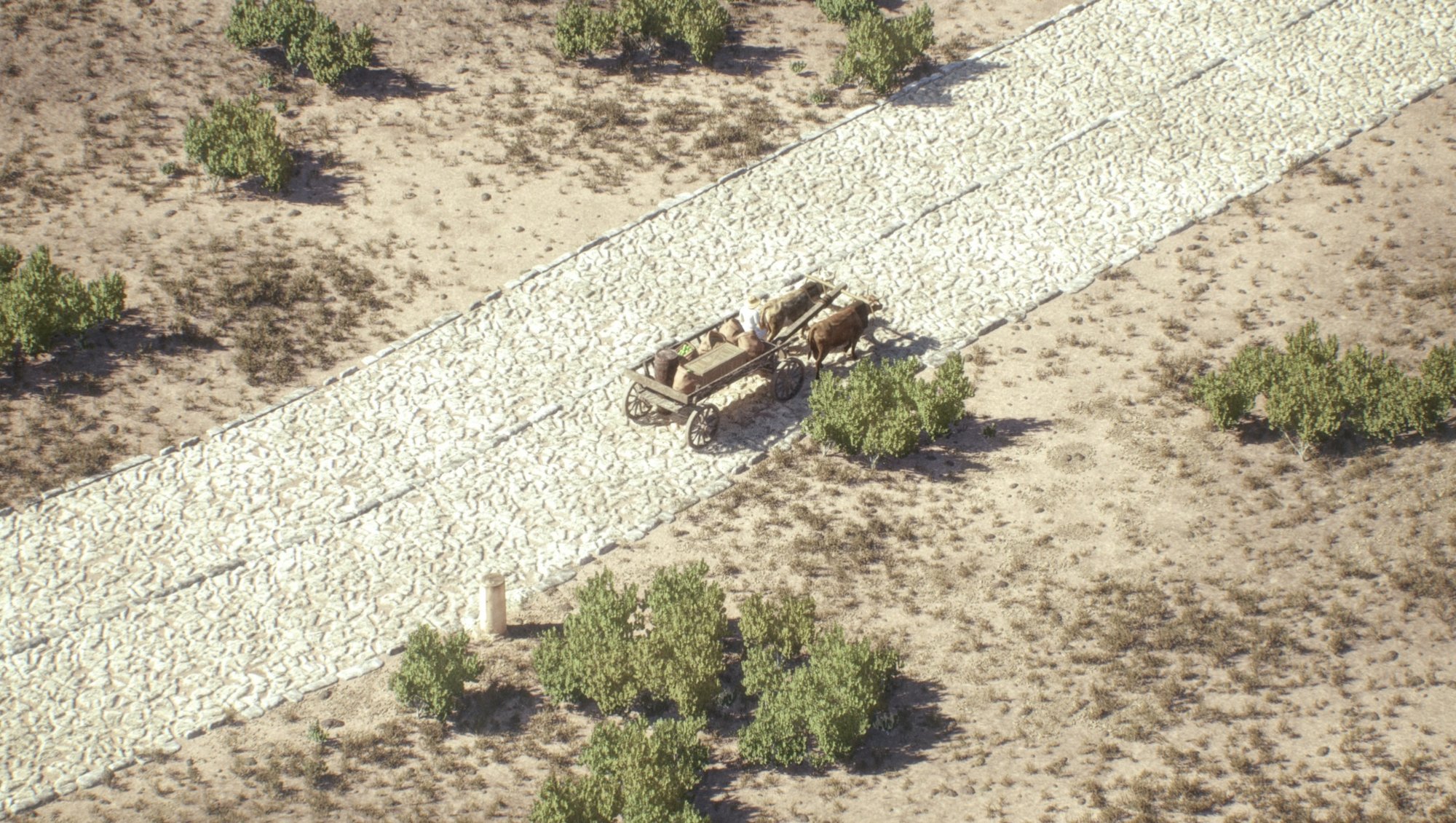
Led by our CORE-Collective colleague Tom Brughmans from the Social Resilience Lab, and his collaborators Pau de Soto, and Adam Pažout, the research combines archaeological and historical evidence with topographic and satellite data and extends the known length of the Roman Empire’s roads by more than 100,000 kilometres, making Itiner-e the most comprehensive and openly accessible digital representation of the ancient road network to date. Read the paper.
The project is made possible by:
- Danmarks Frie Forskningsfond (DFF) 0163-00060B
- The Carlsberg Foundation CF21-0382
- Danish National Research Foundation (DNRF)
Centre of Excellence for Urban Network Evolutions (UrbNet) DNRF119